Goats are the most forgiving entry point into livestock farming — but only if you get housing, breed choice and the health calendar right from the start.
Goat farming is where most Nigerian livestock businesses begin, and for good reason. Goats need less land than cattle, reach market weight faster than most ruminants, and tolerate the conditions that would flatten a more delicate animal. What they do not tolerate is neglect of the basics.
Choose the breed for the job
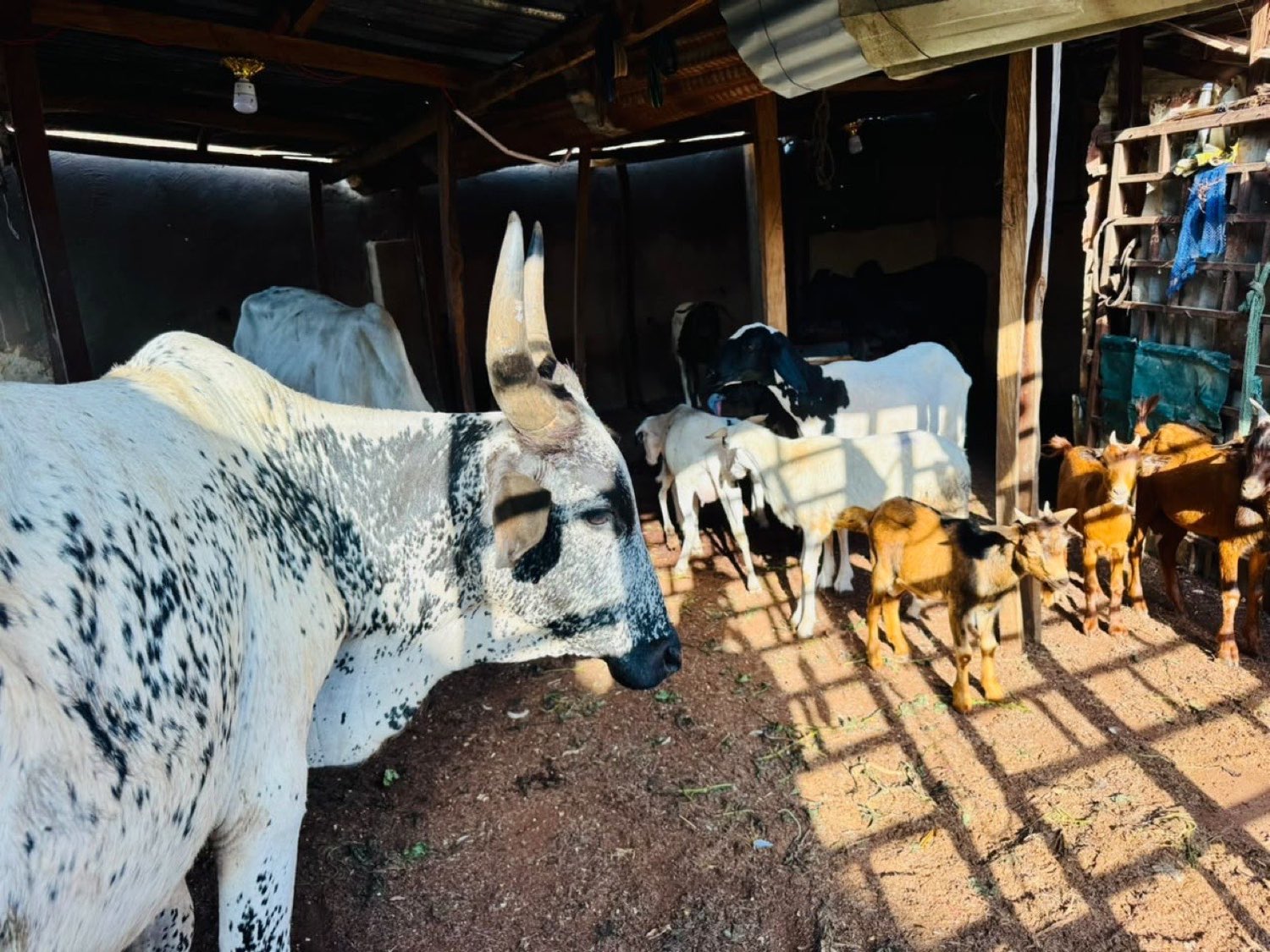
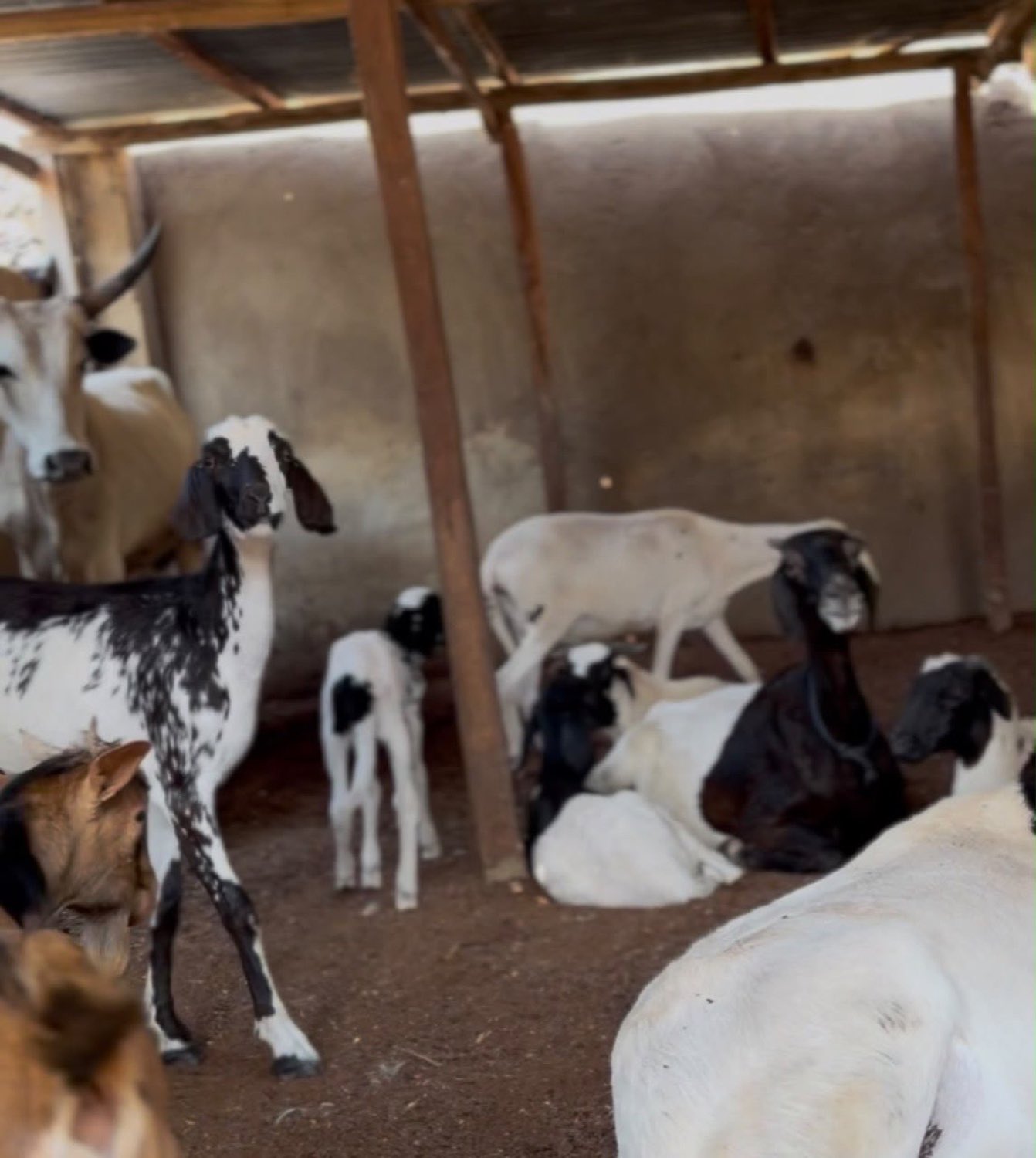
The West African Dwarf is small, trypanotolerant and extraordinarily hardy. It survives where other breeds struggle, and for a first-time keeper in the humid south that resilience matters more than size.
If you are farming in the north-central belt with reliable feed, an exotic cross such as the Kalahari Red or Boer will put on weight considerably faster and command a better price per head. Many established farms run a local base herd and use an exotic buck to lift growth rates in the offspring.
Housing decides your disease pressure
Most first-year losses trace back to housing rather than feed. A goat house needs:
- A raised or well-drained floor — standing damp is the single biggest cause of foot rot
- Genuine cross-ventilation without direct draught on the animals
- Roughly 1.5 square metres per adult goat
- Separate space to isolate any animal that looks unwell
Build for the herd you expect in year two, not the herd you are buying this month.
The health calendar is not optional
Peste des Petits Ruminants (PPR) will empty a pen faster than anything else you will encounter. Vaccinate, and keep vaccinating on schedule. Deworm quarterly, adjusting for the rainy season when worm burden climbs sharply. Trim hooves before they cause lameness rather than after.
Write it down. A herd health calendar on the wall of the feed store is worth more than any amount of good intention.
Feed: grazing plus a measured supplement
Goats browse rather than graze — they prefer shrubs and leaves to flat pasture, and they waste feed that has been trodden on. Offer forage in a raised rack, supplement with a concentrate ration during pregnancy and lactation, and keep clean water in front of them at all times.
Know your numbers before you scale
A doe that kids twice a year with a healthy survival rate is a productive asset. One that kids once, loses a kid, and needs repeated treatment is a liability wearing the same coat. Record births, deaths, treatments and weights per animal. The herd will tell you which lines to keep — but only if you were writing it down.
Where we can help
We supply weaned, vaccinated does and bucks across local and exotic breeds, and provide stud service if you would rather improve the herd you already own. If you are still at the planning stage, our farm consultation service will cost your setup honestly before you spend money on it.
Need healthy livestock for your farm?
We supply vet-supervised cattle, goats, sheep, pigs, poultry and more across Nigeria — and we are happy to talk through what suits your setup before you spend anything.