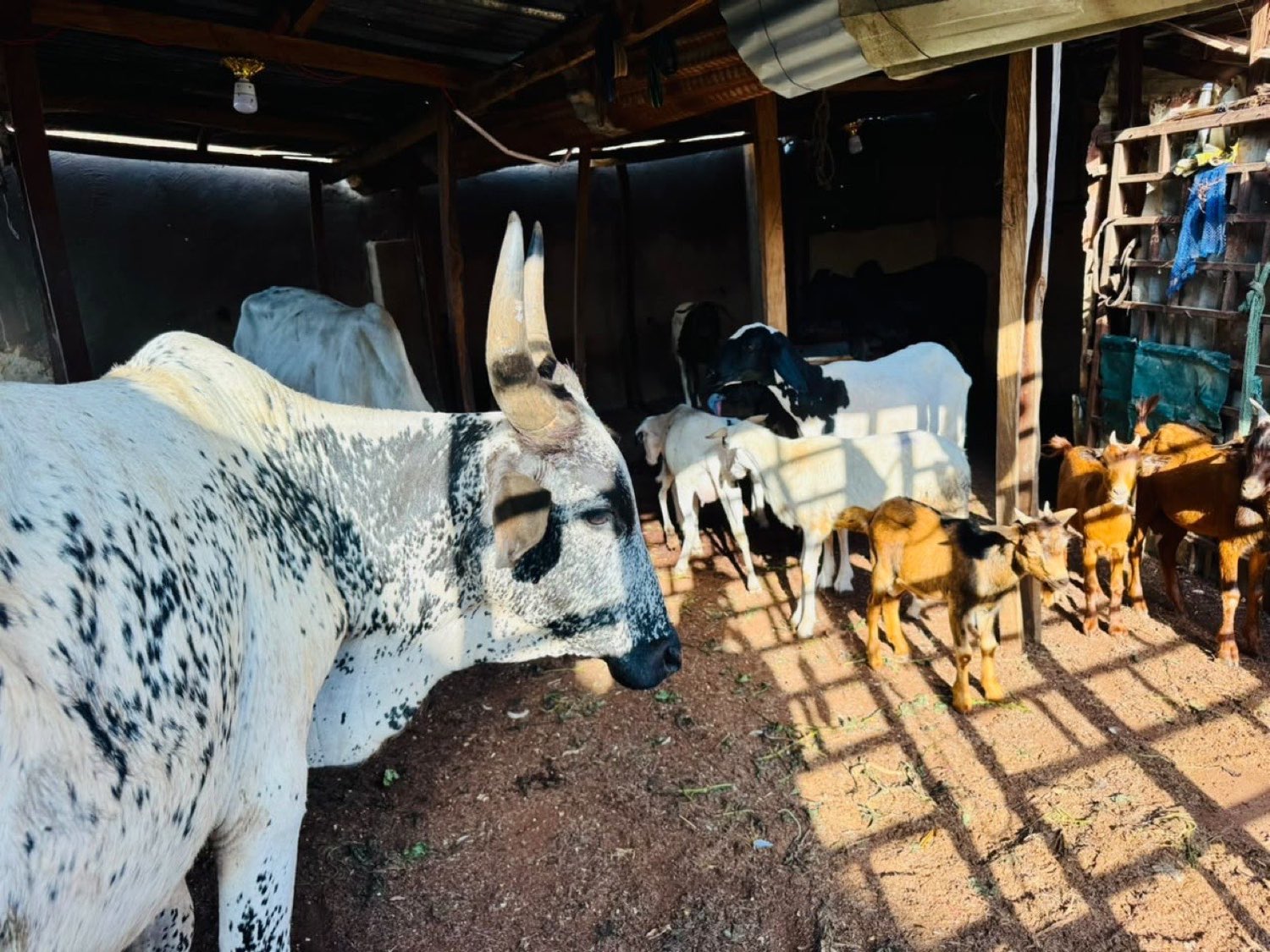
Dry-season weight loss is the quiet profit killer in Nigerian cattle farming. Planning forage, water and shade in advance protects the condition you spent all year building.
Every year the same pattern repeats. Cattle come out of the rains in strong condition, and by March a good proportion of that gain has quietly disappeared. The animals are still alive, still saleable — just worth noticeably less than they were. Dry-season management is what separates farms that hold value from farms that rebuild it every year.
Conserve forage while it is free
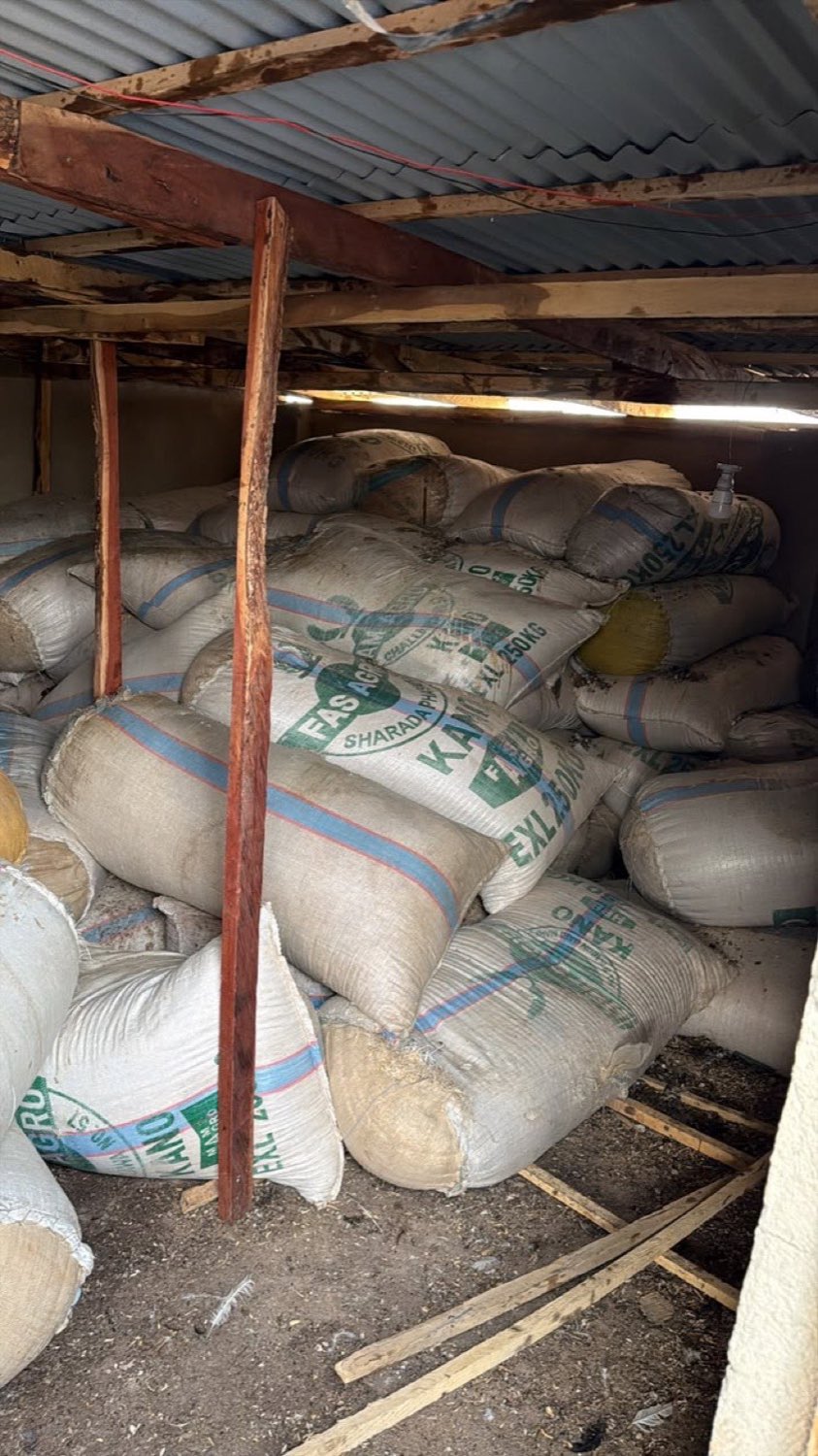
The cheapest feed you will ever buy is grass you cut in October. Hay-making does not require sophisticated equipment: cut at the right stage, dry it properly, and store it off the ground under cover. Silage is more work but preserves more nutrition, and for a herd of any size it repays the effort.
Farms that plan forage in the wet season buy far less concentrate in the dry season. That is the entire argument.
Water is the first limiting factor
A mature cow drinks 30 to 50 litres a day, and considerably more in dry-season heat. Restricted water suppresses intake, and suppressed intake means weight loss regardless of how good the feed is. Water points should be reliable, clean and within reasonable walking distance of where the animals graze.
Supplement deliberately, not randomly
As pasture dries, protein falls before energy does. A protein supplement — cottonseed cake, groundnut cake, or a formulated concentrate — lets the rumen actually digest the coarse dry forage in front of it. Add mineral licks. Micronutrient deficiency shows up as poor fertility months later, when the connection is easy to miss.
Shade and heat management
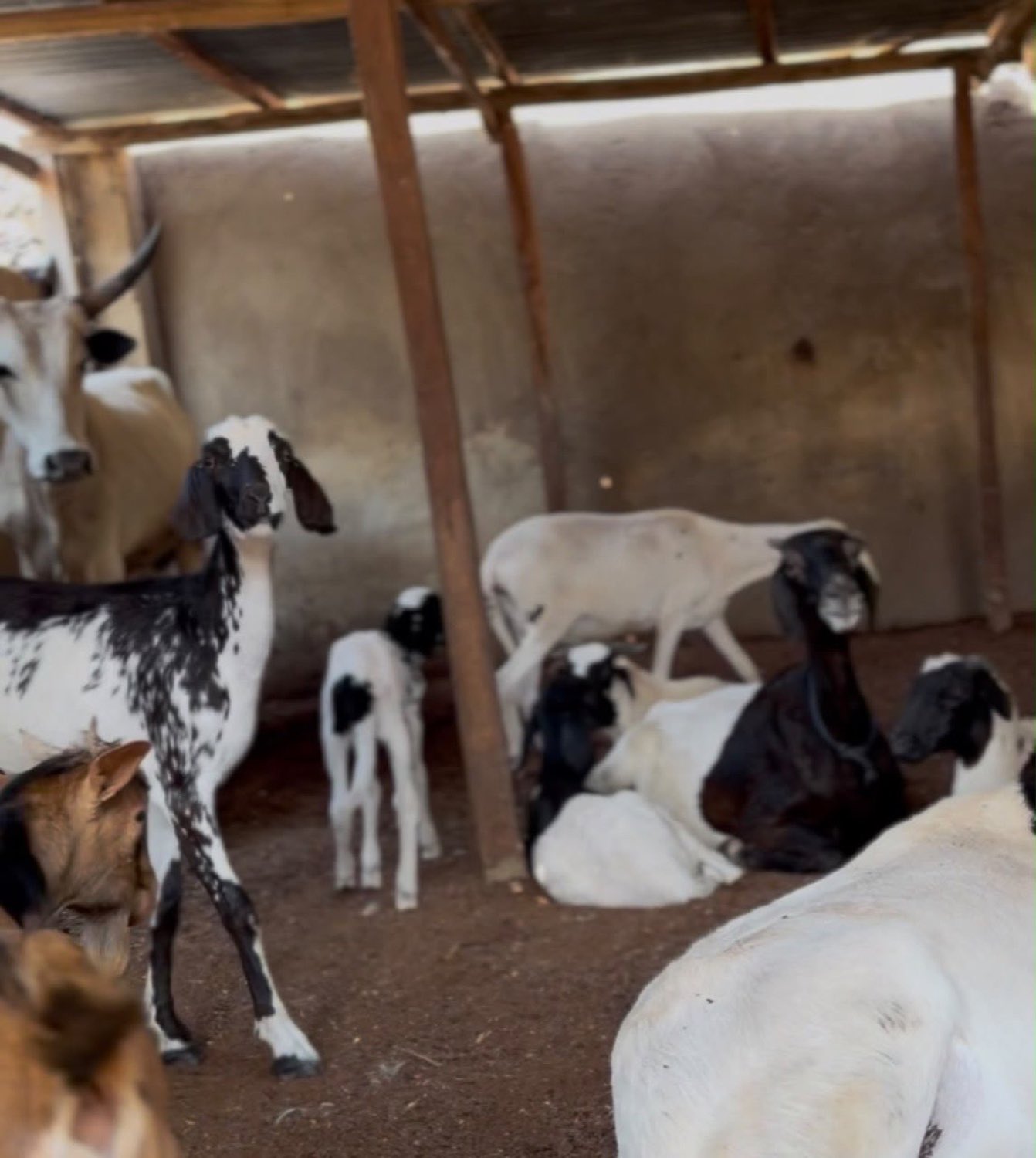
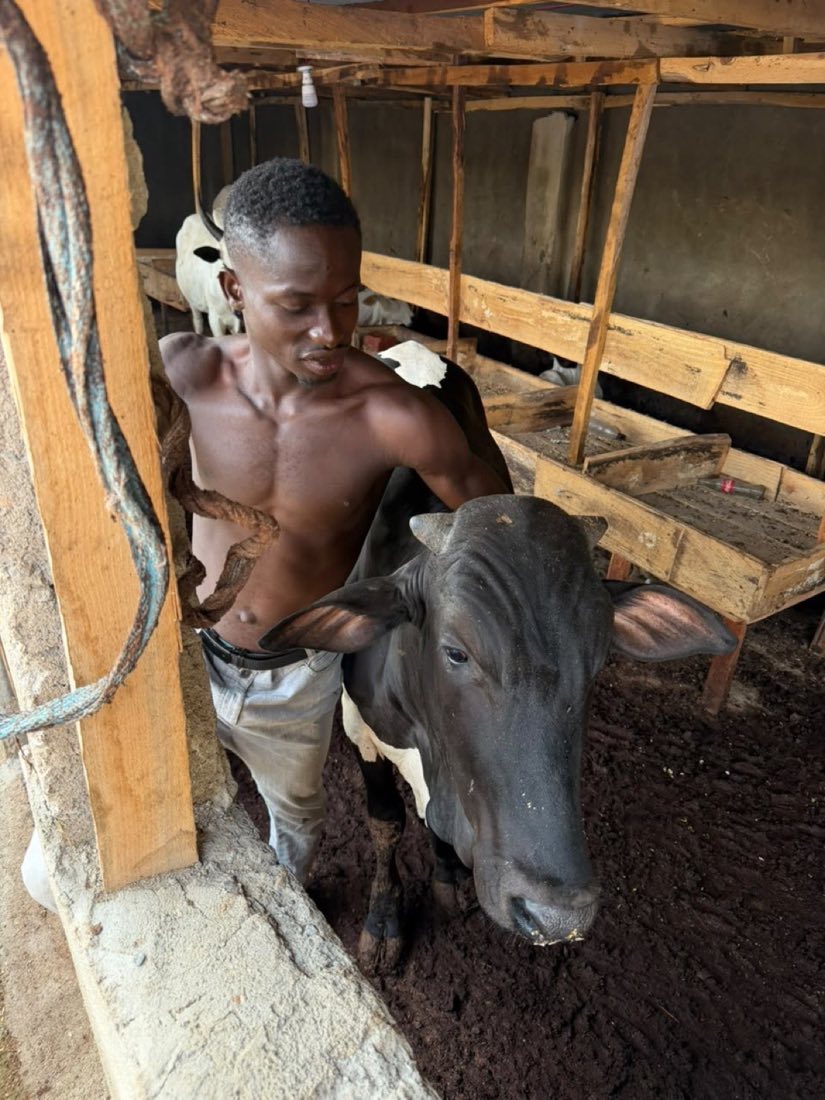
Heat stress reduces intake and, in bulls, reduces fertility for weeks afterwards. Roofed, ventilated shelter is not a luxury in the dry season. Our own cattle shed exists precisely for this reason: animals that are comfortable keep eating, and animals that keep eating hold their weight.
Watch condition, not just appetite
Score body condition monthly and record it. By the time weight loss is obvious across a whole herd, you have already lost the margin. Catching it in a handful of animals is a feeding adjustment; catching it across the herd is a much more expensive correction.
Plan your sales around it
If dry-season feed is genuinely scarce, selling surplus stock early is often the rational decision. Carrying an animal through a hard season at a loss, in order to sell it thinner later, helps nobody. We buy and sell throughout the year and are always happy to discuss timing honestly.
Need healthy livestock for your farm?
We supply vet-supervised cattle, goats, sheep, pigs, poultry and more across Nigeria — and we are happy to talk through what suits your setup before you spend anything.